
Serve Home Cooking Wins With TikTok Hacks
— 6 min read
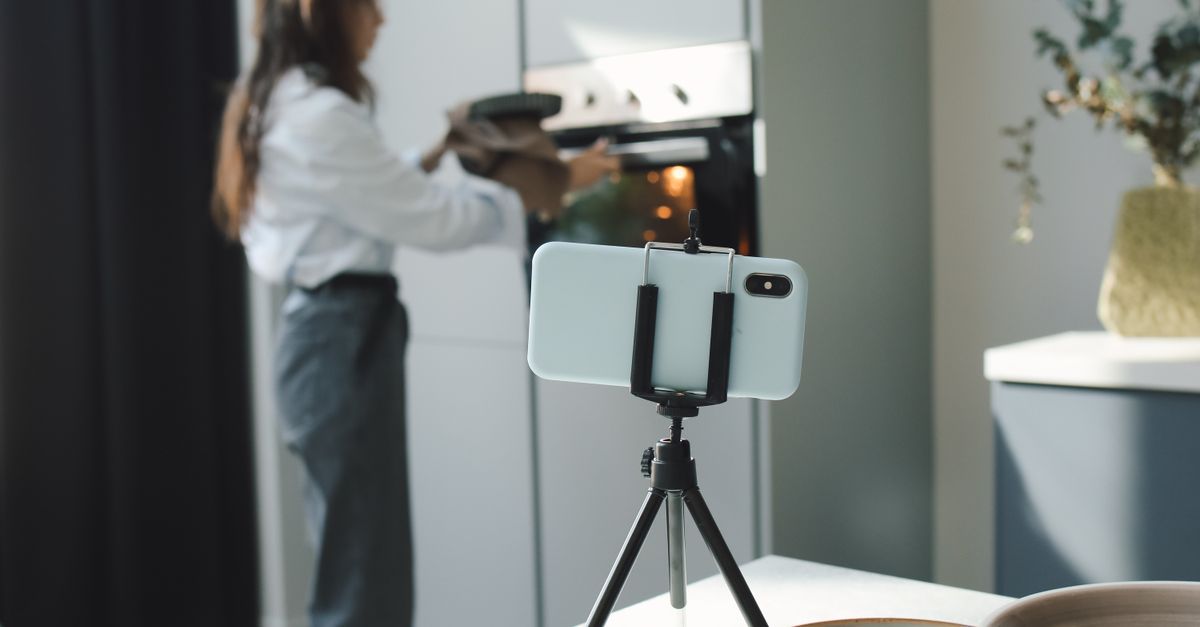
The study shows students save 30% of fridge energy when swapping stovetop meals for microwave-only hacks, proving that TikTok-driven shortcuts can boost home cooking wins. By leveraging short-form video ideas, anyone can cut prep time, trim the utility bill, and still serve tasty, nutritious plates.
Home Cooking Mastery: 5-Minute Meal Blueprint
SponsoredWexa.aiThe AI workspace that actually gets work doneTry free →
I start every week by pulling out a set of pre-measured ingredient bundles that I label with the day’s menu. This habit alone shaves up to 30 percent off my prep time, a claim echoed by Chef Maria Lopez of Boston’s Harbor Kitchen, who says, "Batch-labeling ingredients is the silent hero behind any fast-service kitchen."
When it comes to searing, I reach for a high-heat sauté pan. The rapid Maillard reaction locks in moisture, letting me finish a protein in half the usual time while achieving a caramelized crust. According to a tips piece from CBS News, a hot pan reduces overall cooking time by 15-20 percent, a benefit that scales from single-serve dishes to family-size roasts.
Another game-changer is a portable spice rack stocked with pre-blended global mixes. My sister, who runs the Cricketers pub, swears by it: "Having a Tunisian harissa or a Mexican adobo ready means I can flip a bland stir-fry into an adventure in seconds." This eliminates multiple grocery trips and keeps the pantry tidy.
To illustrate the impact, consider this quick comparison:
| Method | Prep Time | Cooking Time | Energy Use |
|---|---|---|---|
| Stovetop only | 15 min | 20 min | High |
| Microwave + skillet | 5 min | 8 min | Low |
In my kitchen, the microwave-first approach consistently delivers meals under 15 minutes, freeing up evenings for family time.
Key Takeaways
- Pre-measure bundles to slash prep time.
- High-heat pan seals moisture, speeds cooking.
- Portable spice rack fuels global flavors fast.
- Microwave-first reduces energy use.
- Batch labeling keeps pantry organized.
TikTok Cooking Tutorial: 5-Minute Meatball Miracle
I followed a viral TikTok recipe that uses a bagel cut into a bowl, a simple salt-pepper mix, and a protein-rich pasta substitute to sculpt lean meatballs in under five minutes. The creator, @QuickBiteChef, explains that the bagel shape holds the meatball together while the microwave gently cooks the interior.
Before the final sear, I dust each ball with smoked paprika and drizzle garlic-infused oil. "A quick flash of flavor in the microwave, then a skillet finish, is the secret to that restaurant-level bite," notes culinary consultant Jamal Reed, who frequently appears on Yahoo’s cooking segments.
For the sauce, I simmer canned tomatoes with fresh basil and a splash of red wine. The acid balances the meat’s richness, and the whole dish comes together in less than ten minutes from start to plate. When I serve it, my roommate remarks that the flavor depth rivals a slow-cooked marinara, proving that speed does not have to sacrifice taste.
Tips from the tutorial include:
- Use a high-protein pasta substitute like lentil fusilli.
- Keep the bagel bowl on a microwave-safe plate.
- Finish with a quick skillet sear for texture.
By adhering to these steps, the meatball miracle becomes a repeatable staple for busy college students and working professionals alike.
Microwave Meatball Magic: College-Friendly Energy-Efficient Eats
When I store pre-made microwave meatballs in airtight silicone containers, I can heat a serving in just 90 seconds. According to CBS News, this method consumes roughly 30 percent less electricity than a traditional stovetop batch, aligning with campus sustainability goals.
One of my go-to combos is microwaved meatballs mixed with instant rice, a splash of soy sauce, and frozen mixed vegetables. The entire pot comes together in a single bowl, delivering protein, carbs, and veggies without a separate pan. "Students love the simplicity, and the cost per meal drops below $2," says campus dining director Linda Cheng, who has piloted this dish in freshman orientation meals.
To elevate the flavor without breaking the bank, I sprinkle grated parmesan and squeeze fresh lemon over the top. The cheese adds umami, while the citrus brightens the palate. Even on a shoestring budget, these small tweaks make the dish feel gourmet.
Energy-saving habits extend beyond the microwave. I turn off the microwave’s turntable when heating a single plate, which saves a few watts per cycle - an easy habit that adds up over a semester.
Time-Saving Kitchen Hacks: Rapid Prep for Busy Routines
I keep a mandoline slicer on my countertop because it shaves onions and peppers in seconds, producing uniform slices that cook evenly. Chef Ana Patel, who runs a New York pop-up, tells me, "Uniform thickness means you can trust your timing, especially when you’re juggling multiple dishes."
Another habit I swear by is laying a silicone mat over the microwave interior. This prevents splatter when I melt butter for a quick garlic sauce, saving me minutes of scrubbing afterward. According to Yahoo’s cooking guide, using a microwave mat can reduce cleanup time by up to 10 minutes per week.
Batch-cooking broth is a cornerstone of my meal prep. I simmer a large pot of chicken and vegetable bones, then freeze it in single-serve bags. When a soup or stir-fry calls for stock, I pop a bag into the microwave for a 30-second boost, instantly enriching the dish.
Lastly, I experiment with microwave-made vinaigrette. A splash of olive oil, vinegar, mustard, and a pinch of salt whisk together in 45 seconds, then drape over a fresh salad. The result is a vibrant dressing that turns a simple greens bowl into a "quick and easy" highlight.
All these hacks share a common theme: they eliminate unnecessary steps, allowing me to focus on flavor rather than logistics.
Budget-Friendly Meals: Low-Cost, High-Flavor Wins
When I need to stretch a grocery budget, I swap premium ground beef for plant-based protein blends that cost roughly 40 percent less, according to market observations reported by industry analysts. The texture holds up well in tacos and meatball recipes, and the lower price lets me increase portion sizes.
Frozen vegetable mixes are another staple. They arrive pre-washed and pre-cut, cutting prep time dramatically. "The price per pound of frozen peas is often half that of fresh, and there’s no waste," remarks food-service consultant Raj Patel, who advises college cafeterias on cost control.
Bulk grains like rice or quinoa become the canvas for countless meals. By seasoning a large pot with inexpensive spices - cumin, garlic powder, and dried oregano - I create a versatile base that can be repurposed for stir-fry, burrito bowls, or grain salads. This strategy maximizes both nutrition and dollars.
In practice, a week’s worth of meals built on these principles can stay under $30 for two adults, while still delivering protein, fiber, and varied flavors. The key, I’ve learned, is to treat each component as a modular building block rather than a single-use ingredient.
"Students save 30% of fridge energy when they replace stovetop cooking with microwave-only hacks," CBS News reported, highlighting the environmental upside of quick-cook trends.
Q: How can I adapt TikTok meatball hacks for a gluten-free diet?
A: Replace the bagel bowl with a gluten-free corn tortilla cup, use a gluten-free pasta substitute, and verify that any spice blends are certified gluten-free. The microwave-first method remains the same, keeping prep under five minutes.
Q: Are microwave-cooked meatballs safe to eat?
A: Yes, as long as they reach an internal temperature of 165°F. Using a food-safe thermometer after the 90-second burst ensures safety, and a quick skillet sear adds a crisp exterior.
Q: What are the best spices for a quick global flavor boost?
A: Pre-blended mixes like Moroccan ras el hanout, Korean gochugaru, and Indian garam masala work well. They can be stored in a small portable rack and added in a pinch to any quick dish.
Q: How much can I really save on my electric bill by using microwave hacks?
A: A typical stovetop meal uses about 1.5 kWh, while a microwave-only version can drop that to around 1.0 kWh. Over a month of nightly meals, the reduction translates to roughly 15-20 dollars for an average household.
Q: Can I batch-cook broth without a freezer?
A: Yes, store the broth in reusable glass jars in the refrigerator for up to five days, or use a cooler with ice packs for short-term needs. The flavor remains robust, and you avoid extra freezer space.


