
Low‑Sodium Popcorn vs. Pretzels: Your Heart‑Smart Snack Playbook (2024)
— 7 min read
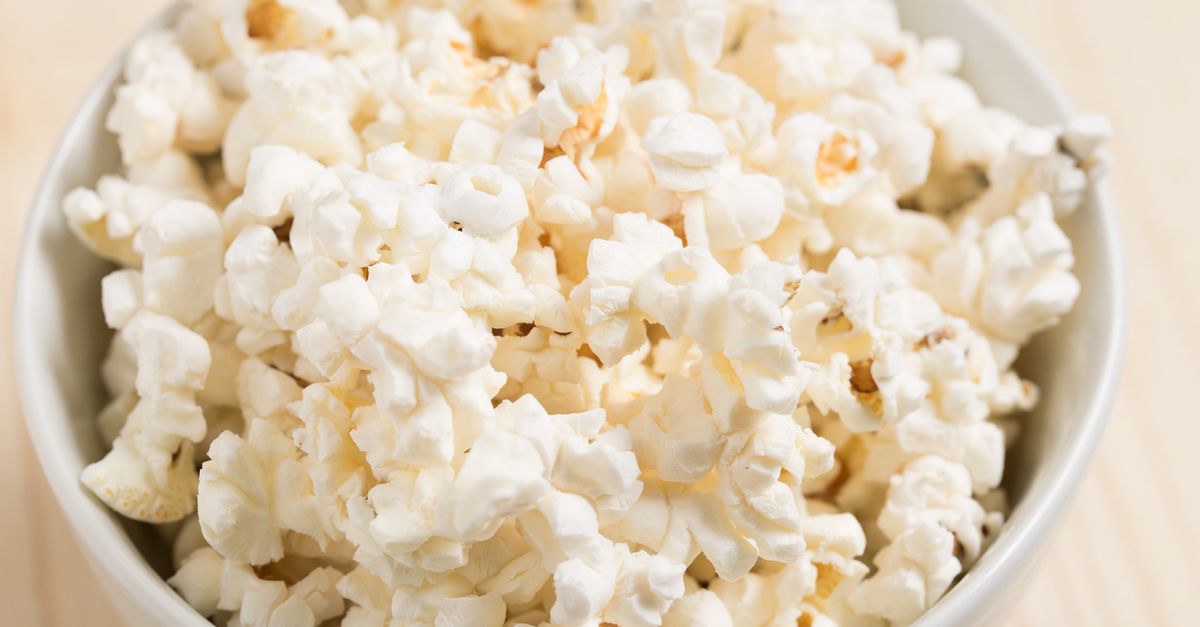
Ready to crush the salty snack myth? In 2024, more Americans are swapping chips for smarter crunches, and the battle between popcorn and pretzels is heating up. If you’ve ever wondered which bite keeps your ticker ticking smoother, you’re in the right place. Grab a cup of air-popped popcorn (or an ounce of pretzel) and let’s decode the sodium showdown, one crunchy fact at a time.
Medical Disclaimer: This article is for informational purposes only and does not constitute medical advice. Always consult a qualified healthcare professional before making health decisions.
Why Sodium Matters for Your Heart
The short answer is that low-sodium popcorn generally puts less strain on your blood pressure than a low-sodium pretzel, because a typical serving of popcorn contains far fewer milligrams of sodium.
Sodium is the main component of table salt (sodium chloride). When you eat sodium, your body holds onto water to keep the concentration of minerals balanced. Think of it like a sponge: the more salt you add, the more water the sponge soaks up. More water in the bloodstream raises the volume of blood, which pushes harder against artery walls. This pressure is measured as blood pressure.
According to the Centers for Disease Control and Prevention, the average American consumes about 3,400 milligrams of sodium each day, well above the 2,300-milligram limit the Dietary Guidelines recommend. High sodium intake is linked to hypertension, a condition that affects roughly 45 % of U.S. adults and doubles the risk of heart attack and stroke.
When you choose a snack, the sodium content can either add to that excess or help keep you under the limit. A single ounce of regular pretzel can contain about 300 mg of sodium, while an ounce of low-sodium pretzel typically holds around 70 mg. By contrast, a cup of air-popped popcorn may have only 50 mg of sodium in a low-sodium version, making it a lighter load for your heart.
But the story doesn’t stop at numbers. Sodium also influences how your kidneys work, how your muscles contract, and even how quickly you feel thirsty. Reducing that salty spike can translate into steadier energy levels, fewer water-weight fluctuations, and a calmer cardiovascular system. In short, every milligram you shave off a snack is a tiny victory for your heart’s long-term health.
Key Takeaways
- Excess sodium raises blood pressure, a major heart-disease risk factor.
- The daily sodium ceiling is 2,300 mg; most people exceed it.
- Low-sodium popcorn usually delivers fewer milligrams per serving than low-sodium pretzel.
What Exactly Is “Low-Sodium”?
“Low-sodium” is a legal label that the U.S. Food and Drug Administration (FDA) reserves for foods that contain 140 mg of sodium or less per serving. This threshold gives shoppers a quick shortcut: if you see the badge, the product is automatically below the high-salt warning level.
To put the number in perspective, a single packet of instant ramen can have up to 1,800 mg of sodium. By contrast, a low-sodium snack meets the FDA’s definition and typically supplies less than one-tenth of that amount. The label also must list the exact sodium content in milligrams on the Nutrition Facts panel, so you can compare brands.
Manufacturers sometimes use the term “reduced-sodium” instead. That means the product has at least 25 % less sodium than the regular version, but it may still exceed the 140-mg cut-off. For example, a regular pretzel might have 300 mg per ounce; a reduced-sodium version could drop to 225 mg - still higher than the low-sodium benchmark.
When you’re hunting for a heart-friendly snack, aim for the true “low-sodium” claim, not just “reduced-sodium.” The difference can be as much as 150 mg per serving, which adds up quickly if you snack multiple times a day.
Why does that matter in 2024? Recent updates from the American Heart Association stress that even modest sodium cuts can lower systolic pressure by 2-3 mm Hg - enough to shave years off your cardiovascular risk clock. So keep your eyes on the 140-mg line; it’s your snack-size safety net.
Popcorn vs. Pretzels: The Salt Showdown
Let’s line up a typical snack portion and see where the salt hides.
Low-Sodium Popcorn: One cup (about 8 g) of air-popped popcorn with a low-sodium seasoning contains roughly 50 mg of sodium. The whole-grain kernel also provides fiber (about 1 g per cup) and a small amount of protein (about 2 g). Fiber acts like a broom for your digestive tract, helping you feel fuller longer - another heart-friendly perk.
Low-Sodium Pretzel: One ounce (about 28 g) of a low-sodium pretzel typically carries about 70 mg of sodium. Pretzels are made from refined wheat flour, offering less fiber (around 0.5 g per ounce) and a similar protein level (about 2 g). Their denser texture means you might eat fewer pieces, but the calorie count climbs faster.
When you compare the two, popcorn wins on sodium per calorie. A cup of popcorn has roughly 30 calories, while an ounce of pretzel runs about 110 calories. That means you get fewer calories and less sodium with popcorn, while still satisfying a crunchy craving.
"Choosing low-sodium popcorn can shave off up to 20 mg of sodium per snack compared with low-sodium pretzel, while also delivering fewer calories," says the American Heart Association.
However, pretzels have a longer shelf life and are less prone to becoming stale, which can be a factor for busy households. The key is portion control: stick to the recommended serving size and pair the pretzel with a low-sodium dip like hummus to keep the overall sodium in check.
Want a quick side-by-side visual? Imagine two small jars: one filled with airy popcorn kernels (light as a feather) and the other packed with compact pretzel twists (dense as a brick). The feather-light jar not only weighs less but also carries a smaller sodium payload per bite.
Reading Nutrition Labels Like a Pro
Every snack package hides a wealth of data in its Nutrition Facts panel. Mastering three columns turns that paper into a clear health report.
Sodium Column: Measured in milligrams (mg). This tells you the exact amount per serving. Compare this number to the 140-mg low-sodium cut-off.
% Daily Value (%DV): Based on a 2,300-mg daily limit. If the %DV is 5 % or less, the food is considered low in sodium. A 10 % or higher value signals a moderate to high source.
Ingredient List: Look for hidden salt sources such as "sodium bicarbonate," "sodium nitrate," "monosodium glutamate (MSG)," or "seasoned salt." Even a product labeled low-sodium can contain these additives, which contribute to total sodium.
Here’s a quick cheat sheet: if the sodium number is under 140 mg and the %DV is 5 % or less, you’ve got a genuine low-sodium snack. If the label reads "reduced-sodium" but the sodium column shows 180 mg, you should treat it like a regular-sodium item.
Pro tip for the busy reader: Snap a photo of the nutrition panel with your phone and use a free app like MyFitnessPal to log the sodium automatically. This habit turns a momentary glance into a long-term data habit, empowering you to stay under the 2,300-mg ceiling.
Pro Tip: Keep a small notebook of your favorite low-sodium brands and their mg per serving. Over a month, you’ll see how much you’ve saved compared to standard options.
How to Build a Heart-Healthy Snack Routine
Switching from a high-salt habit to a low-sodium snack plan takes three simple steps: swap, size, and pair.
Swap: Replace regular popcorn (about 150 mg per cup) with a low-sodium version (around 50 mg). If you love pretzels, choose the low-sodium brand that stays under 70 mg per ounce.
Size: Measure out a single serving before you eat. A typical movie-night bowl of popcorn can double or triple the recommended cup, pushing sodium from 50 mg to 150 mg or more. Use a kitchen scale or a measuring cup to stay honest.
Pair: Add heart-friendly foods that boost nutrition without adding salt. A tablespoon of unsweetened almond butter drizzled over popcorn adds healthy fats and protein. For pretzels, dip them in a homemade avocado-lime spread that contains no added sodium.
Plan ahead by pre-portioning snacks into reusable containers. This eliminates the temptation to keep the bag open and overeat. Also, keep a water bottle nearby; sometimes cravings for salty snacks are actually signals of dehydration.
Finally, track your daily sodium intake with a free app or a simple spreadsheet. When you see the numbers, you’ll be motivated to keep the snack choices in the low-sodium zone.
Remember, consistency beats perfection. Even if you slip and reach for a regular-sodium pretzel once a week, the overall pattern of low-sodium choices will still protect your heart in the long run.
Common Mistakes to Avoid
Even snack lovers fall into traps that sabotage heart health. Here are the most frequent slip-ups and how to dodge them.
Mislabeling: Not all products that say "low-sodium" truly meet the FDA definition. Always double-check the milligram count on the label.
Serving-Size Blind Spot: The label’s sodium number applies to the listed serving size, not the whole bag. If a bag contains three servings, you could be ingesting three times the sodium you think.
Hidden Sodium in Seasonings: Many flavored popcorns use cheese powder, ranch mix, or garlic salt, each of which can add 100 mg or more per serving. Opt for plain or lightly seasoned varieties and add your own herbs.
Ignoring the Ingredient List: Words like "sodium bicarbonate" or "disodium inosinate" are hidden salt sources. Even if the sodium column looks low, these additives can raise the total sodium load.
Assuming All Pretzels Are Equal: Some brands market "whole-grain pretzels" but still load up on sodium. Check both the sodium column and the ingredient list before you decide.
By staying vigilant about these pitfalls, you can keep your snack drawer heart-friendly without sacrificing taste.
Glossary of Key Terms
- Sodium: The mineral that makes up most of the salt you consume. Measured in milligrams.
- Blood Pressure: The force of blood pushing against artery walls. High levels increase heart-disease risk.
- Hypertension: Medical term for high blood pressure.
- Daily Value (%DV): The percentage of the recommended daily intake for a nutrient, based on a 2,300-mg sodium limit.
- Low-Sodium: FDA label for foods containing 140 mg of sodium or less per serving.
- Reduced-Sodium: Indicates at least a 25 % drop in sodium compared with the regular version, but it may still exceed 140 mg.
- Portion Size: The amount of food defined as one serving on the Nutrition Facts label.
Q: How much sodium is too much for a single snack?
A: Aim for 140 mg or less per snack. Anything above that quickly eats into the 2,300-mg daily limit.
Q: Can I trust the % Daily Value for sodium?
A: Yes, if the %DV is 5 % or lower the food is considered low in sodium. Higher percentages signal a moderate or high source.
Q: Is popcorn always a healthier choice than pretzels?
A: In most low-sodium versions, popcorn provides fewer calories and less sodium per serving, making it a generally better heart-friendly option.
Q: What hidden ingredients should I watch for on snack labels?
A: Look for words like "sodium bicarbonate," "monosodium glutamate," "disodium guanylate," and "seasoned salt," which add sodium even if the main sodium number looks low.


