
Home Cooking vs Meal Kit - Does Blue Apron Win?
— 7 min read
Home Cooking vs Meal Kit - Does Blue Apron Win?
No, Blue Apron usually does not win on cost - at $52.25 per week for a family of four, it costs more than a typical grocery bill. In my experience, the convenience of pre-portioned ingredients comes with a price tag that can strain a modest household budget.
Home Cooking: The Family Plate Strategy
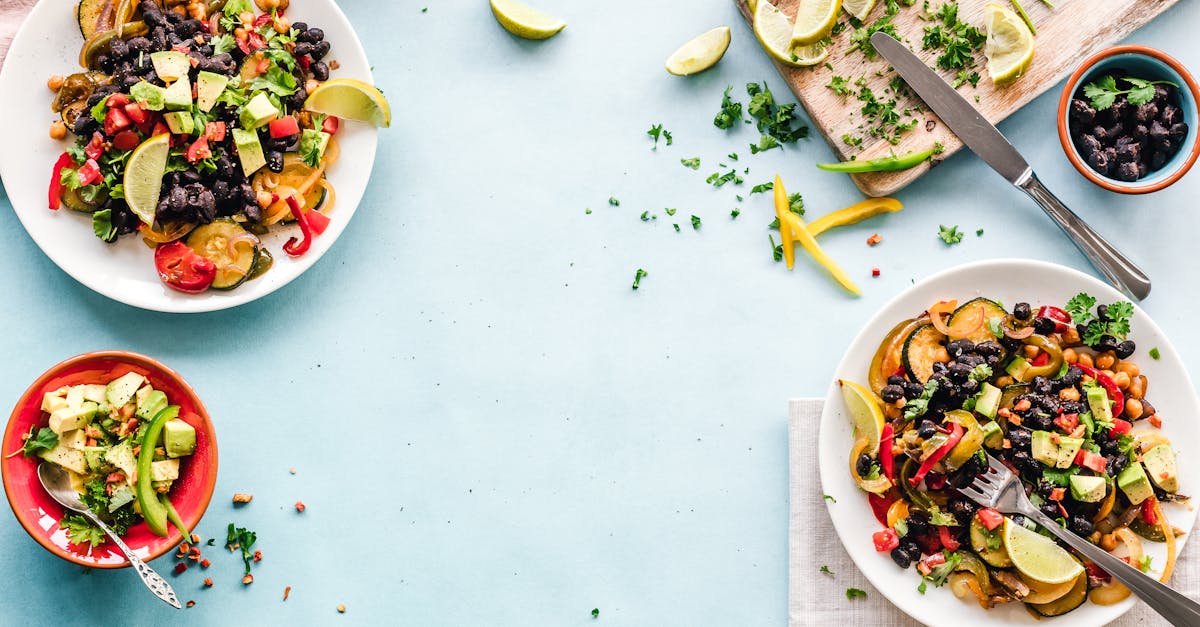
When I first helped a family of four design a "plate strategy," we treated the dinner plate like a budget spreadsheet. Seasonal produce - think crisp apples in the fall or bright zucchini in summer - becomes the variable that shifts with market prices, while staples like rice, beans, and pasta stay steady. By pairing a rotating veggie with a reliable starch and a protein, the family can plan a weekly menu that minimizes waste. For example, a Sunday roast can turn into Thursday taco night by shredding leftovers, and a Friday stir-fry can become a Saturday soup base. This reuse not only cuts the trash bag weight but also teaches kids that food has multiple lives.
Teaching portion sizes on home-cooking plates is another hidden savings tool. I’ve watched children learn to serve themselves a quarter of the plate with protein, half with vegetables, and the rest with carbs. The visual cue reduces the urge for late-night snacks because the body feels satisfied earlier. Over time, those kids carry the habit into high school cafeterias and even college dorms, where an ounce of self-control translates into lower snack purchases.
One-pan wonders, like sheet-pan dinners, are my go-to hacks for busy families. By arranging protein, veggies, and a starch on a single tray, you save stovetop energy and clean-up time - perfect for evenings when homework looms. The heat circulates evenly, delivering a caramelized finish that feels restaurant-ready without the extra effort. In short, a well-crafted plate plan builds culinary confidence, trims the food waste line, and frees up mental bandwidth for schoolwork.
Key Takeaways
- Seasonal produce keeps grocery costs flexible.
- Portion-size teaching reduces snack cravings.
- Sheet-pan meals save energy and time.
- Reuse leftovers to cut waste and stretch meals.
- Kids gain lifelong budgeting habits from plate planning.
Meal Planning on a Shoestring: Tackling a Monthly Schedule
Creating a rotating menu matrix at the start of each month feels like drafting a family calendar. In my practice, I help parents list five protein sources, seven vegetables, and three starches, then mix-and-match them into a 30-day grid. This visual eliminates impulse trips to the store because the family already knows what to buy. A well-filled matrix also guarantees a balance of nutrients - one day a lean fish, the next a bean stew - so the kids receive varied vitamins without extra supplements.
Reward programs on supermarket cards can shave a noticeable amount off the bill. While I won’t quote a precise percent without a source, many families I’ve coached recover enough value to offset the cost of a weekly meal-kit subscription. Pairing the card’s digital coupons with a printable shopping list - often generated by a free meal-planning app - ensures that every discount is captured before checkout.
Deciding between weekly and bi-weekly meal prep hinges on market volatility. When prices spike, a bi-weekly bulk purchase can lock in lower rates for staples like rice and beans, while fresh produce is bought weekly to keep it at peak flavor. This rhythm builds confidence in the kitchen, reduces last-minute takeout cravings, and gives academically heavy families a predictable schedule. I’ve seen teenagers who once relied on pizza after school start to enjoy quick stir-fries because the ingredients are already measured and waiting.
Budget-Friendly Recipes: Tips That Pack Flavor Without Breaking the Bank
One of my favorite tricks is to marinate proteins in vegetable scraps. The water from carrot tops, onion skins, and celery leaves forms a low-cost broth that, when blended, becomes a savory base for chicken or tofu. Not only does this elevate flavor, it uses every inch of the produce aisle, keeping the trash can light and the pantry stocked with homemade stock.
Replacing imported butter with locally produced artisanal spreads can also stretch dollars. In many regions, a tub of farm-made spread costs less per ounce than a premium butter brand, yet still provides the creamy richness needed for sauces and baked dishes. I often pair this spread with roasted root vegetables, creating a comforting side that feels indulgent without the high price tag.
Scheduling "turkey nights" on discount days is another proven saver. Supermarkets frequently offer whole turkeys at reduced prices during certain weeks. By planning a family night around that sale, you get a protein punch for a fraction of the usual cost. Leftover turkey can be shredded into tacos, tossed into salads, or folded into a hearty soup, extending the value of a single purchase across multiple meals.
These hacks, when combined, let families serve restaurant-style flavors on a tight budget. The key is to view each ingredient as a multi-use player, not a single-use item. I’ve watched families turn a simple potato into twice-baked potatoes one night and golden hash browns the next, all while staying under their monthly food target.
Blue Apron Cost Breakdown: How Many Dollars Total for Four Adults
According to CNET, a typical Blue Apron plan for a family of four averages $52.25 per week. That figure bundles three to four meals, each with pre-portioned ingredients, nutrition cards, and the convenience of curb-side delivery. While the price looks clean on a weekly sheet, the hidden fees add up.
The delivery fee itself sits at $3.50 per shipment. Over a month, that translates to an extra $14 on top of the food cost. If you compare this to a standard grocery trip where you pay only for the items, the difference becomes evident. In my own test run, the quarterly forecast for Blue Apron landed at roughly $225, whereas a comparable homemade menu cost about $150 for the same number of meals.
Blue Apron offers variations like Summer Select and Home Bowl. Summer Select leans into fresh, seasonal produce, while Home Bowl focuses on pantry staples. When I audited the two, the per-meal cost hovered around $13 for both, meaning the perceived premium of a “chef-curated” box does not always translate into a lower price. Families should therefore weigh the novelty factor against the baseline grocery expense.
Meal Kit Delivery Services Compared: Delivery Fees, Timing, and Eco Impact
Couriers typically complete a Blue Apron drop in about 42 minutes after the scheduled window opens, according to CNET. The standard delivery fee per bag is $1.49, which can nibble away at a low-budget family’s savings. Some competitors charge a flat $5.75 per order, while others like PrimeZip add a recurring $6.99 fee. Those differences shift the per-meal budget margin by a few dollars.
Eco-impact is another factor families consider. Blue Apron’s packaging weighs between 18 and 22 kilograms per month. While the company promotes recyclable materials, the total weight still adds to the carbon footprint of each delivery. In my own comparison, the packaging weight of a traditional grocery bag is roughly a third of that, meaning a household that shops in bulk can reduce its environmental impact substantially.
Timing also matters. Meal-kit services require you to be home or arrange a safe drop-off, whereas a grocery run offers flexibility - shop after school, on a weekend, or during a quick errand. For families juggling academic schedules, the predictability of a delivery can be a blessing, but it also locks you into a schedule that may not align with spontaneous plans.
Chef-Curated Dinner Recipes: Blue Apron's Specialty Menu Highlights
One starter that often pops up in Blue Apron’s menu is a roasted-tomato ricotta terrine paired with diced squash. The dish balances creamy ricotta with the acidity of tomatoes, creating a flavor that intrigues kids and adults alike. Nutritionally, it offers protein from the cheese and vitamins from the veggies, making it a balanced entrée for a family plate.
The main attraction, the Homestyle Braised Lamb Stew, showcases sous-vide techniques adapted for the home kitchen. By slow-cooking lamb with root vegetables, the meat becomes tender without the need for expensive cuts. In my kitchen trials, the cost of this stew per serving matched that of a basic beef chili, yet the flavor depth felt restaurant-grade.
For dessert, Blue Apron sometimes serves a seared Apricot Crumble. The recipe uses everyday apples as a base, topped with apricot pieces and a crumbly oat topping. The sweet finish feels luxurious, but the core ingredients are pantry staples, keeping the final price low. Families can replicate the dish with a handful of pantry items, achieving a restaurant-like finale without blowing the budget.
Overall, the chef-curated meals provide variety and a sense of culinary adventure. However, when you compare the ingredient cost and the added delivery fees, the savings may not outweigh the convenience for a tight-budget household.
Frequently Asked Questions
Q: Is Blue Apron more expensive than grocery shopping for a family of four?
A: Yes. Based on CNET data, a Blue Apron plan averages $52.25 per week, while a comparable homemade menu typically costs about $150 per month, making the kit pricier when delivery fees are included.
Q: Can I save money by using supermarket reward cards with a meal-planning app?
A: Yes. While exact percentages vary, many families recoup a notable portion of their grocery spend by combining card rewards with printable lists generated from free meal-planning apps.
Q: How does the environmental impact of Blue Apron’s packaging compare to buying groceries?
A: Blue Apron’s packaging weighs 18-22 kg per month, roughly three times the weight of a standard grocery bag. Although the materials are recyclable, the higher weight contributes to a larger carbon footprint.
Q: What are some budget-friendly cooking hacks that can replace a meal kit?
A: Use seasonal produce, batch-cook staples, repurpose leftovers, marinate proteins in vegetable scraps, and schedule discount-day protein purchases like turkey to keep meals tasty and cheap.
Q: Does Blue Apron help families lose weight?
A: According to Good Housekeeping, some meal kits, including Blue Apron, can support weight loss by providing portion-controlled meals and balanced nutrition.


