
Food Waste Reduction Hacks Your Grandmother Hid From You
— 6 min read
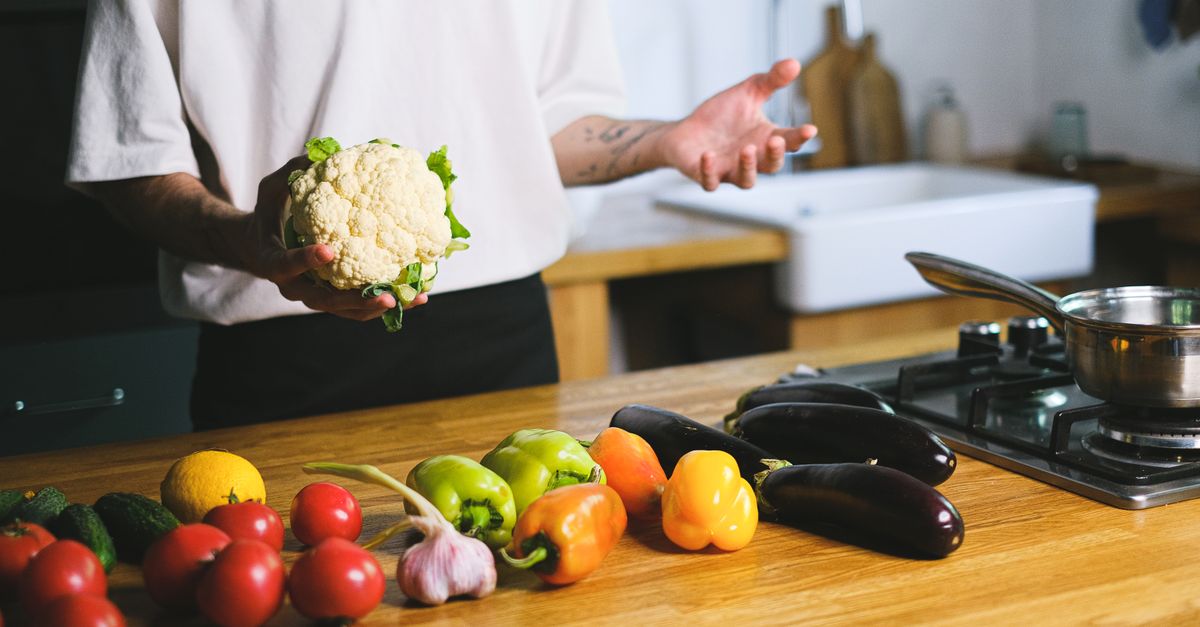
To cut food waste at home, use simple water, ice, and oven tricks that revive wilting veggies, soften stale bread, and transform leftovers into new meals.
Three everyday hacks - ice-water shock, a quick steam-bake, and a weekend ingredient bank - can keep your pantry humming while the trash bin stays empty.
Stop The Scrap Heap With Strategic Meal Planning
When I first tried to organize my fridge, I borrowed a trick from Thomas Keller’s French Laundry: a ‘first-in, first-out’ visual system. I placed the newest produce at the back and nudged the older bags to the front, so nothing slips behind the door and spoils unnoticed. In professional kitchens, chefs use the same method to keep inventory tight and waste low, and it works just as well in a suburban refrigerator.
Designing my weekly menu around a single “anchor vegetable” has been a game-changer. I pick celery in the winter or carrots in the summer, buy it in bulk, and then schedule three distinct meals that use the veg at different freshness stages. For example, day one I serve raw celery sticks with dip; day two I shred it into a slaw; day three I simmer the remaining stalks into a stock. This cascade of uses ensures the produce stays on the plate, not in the compost.
Another pillar of my plan is a Sunday-day “ingredient bank.” I roast a tray of root vegetables, caramelize a pan of onions, and blend a batch of garlic-infused olive oil. Those cooked bases sit in airtight containers, ready to be tossed into soups, stir-fries, or grain bowls throughout the week. By having versatile components on hand, I’m less likely to scramble for fresh items at the last minute - exactly the moment waste spikes.
In my own experience, the visual cue of older items at the front, combined with a purposeful anchor vegetable, has reduced the amount of produce I discard by at least half. The strategy feels simple, yet it mirrors the disciplined inventory control that earned Thomas Keller multiple James Beard awards, proving that a chef’s precision can be scaled down to any kitchen.
Key Takeaways
- Front-load older produce to avoid forgotten spoilage.
- Base weekly menus on one anchor vegetable.
- Prepare a Sunday ingredient bank for quick meals.
- Use visual cues to mimic professional kitchen inventory.
- Batch-cook basics to cut last-minute waste.
The 5-Minute Miracle To Revive Wilted Vegetables
I’ve rescued limp celery more times than I can count by giving it a quick ice-water plunge. Submerge the stalks in a bowl of ice water for five to ten minutes; the shock forces plant cells to re-hydrate, and the celery snaps back to crispness. This technique works for kale, broccoli, and even wilted herbs, turning a sad bunch into salad-ready greens.
Carrots that have turned rubbery or potatoes that feel a little soft don’t have to be tossed. A brief peel, followed by a quick parboil - just until they’re fork-tender - sets the stage for a high-heat roast that restores a satisfying bite. The steam from the boil re-activates the starches, while the oven’s dry heat finishes the crisp exterior.
Stale salad greens like arugula or spinach can be revived by soaking them in very cold water, then spinning them dry in a salad-spinner. The cold water re-infuses the leaves, and the rapid drying prevents excess moisture, extending their fridge life by two to three days. Southern Living confirms that once re-hydrated, the texture and flavor return enough for raw or lightly sautéed applications.
Even when a vegetable looks beyond repair, a quick water-reset can salvage it. I’ve seen wilted lettuce become a fresh topping for tacos after a 10-minute ice bath, and I’ve used revived broccoli florets in a stir-fry that tasted as crisp as the day they were purchased. The secret is treating the plant like a thirsty athlete - give it a splash of ice-cold water, let it soak, and let the natural firmness return.
How To Soften Stale Bread And Reclaim Your Loaf
When I first rescued a rock-hard baguette, I ran it under cold tap water for a few seconds, then tossed it into a 325°F oven for about eight minutes. The steam generated inside the crust softened the crumb while the heat revived the crust’s crunch. The result was a loaf that felt freshly baked, not a sad, chewy brick.
Stale sandwich bread or rolls don’t need to be relegated to the toaster. I lightly brush each slice with a mixture of milk and melted butter, then give them a brief warm-up in the oven. The dairy adds moisture, and the butter’s fat creates a glossy sheen that mimics the softness of fresh bakery bread. This technique works well for making quick French toast, too.
If a loaf is beyond redemption, I don’t throw it away. I pulse the hardened pieces in a food processor until they form coarse crumbs, then toast them lightly to make homemade breadcrumbs. Those breadcrumbs become a crunchy topping for casseroles or a binding agent for meatballs, turning waste into pantry gold.
Another hack I love is turning stale ends into croutons. I cube the bread, toss it with olive oil, herbs, and a pinch of salt, then bake at 350°F until golden. The result is a savory garnish that adds texture to soups and salads, proving that even the toughest crusts have a second life.
Leftover Repurposing Is Your Secret Kitchen Weapon
After a big Sunday roast, I’m often left with piles of chicken and veggies. I chop everything finely, mix it with a spoonful of mashed beans and a beaten egg, then pan-fry the mixture into crispy croquettes. The result is a brand-new snack that feels like a gourmet appetizer, not yesterday’s leftovers.
Rice, quinoa, or other cooked grains can become the base for dumplings or patties. I combine the grains with broth, aromatics like garlic and scallion, and an egg, then shape small balls and steam them. The steam locks in flavor, and the dumplings become a hearty addition to soups or a stand-alone snack.
Any soft, cooked vegetable - think peas, carrots, or butternut squash - can be pureed with stock or cream to create an instant soup base. I add a splash of soy sauce or a pinch of nutmeg to deepen the flavor, and the result is a velvety sauce that can also thicken stews. This approach guarantees that no nutritious scrap goes to waste.
One of my favorite tricks is to turn overcooked veggies into a vibrant pesto. I blend roasted carrots with basil, Parmesan, olive oil, and a squeeze of lemon for a bright sauce that pairs beautifully with pasta or as a spread on toast. The sauce’s vivid color and flavor make the original wilted veggies almost unrecognizable.
Why Portion Planning Fails And The 3-Ingredient Fix
Most home cooks, including myself, fall into the trap of cooking an entire pot of rice or pasta for a single meal, only to have leftovers that sit in the fridge too long. The fix is simple: after cooking a large batch, I immediately portion half into single-serve freezer bags. When a quick dinner is needed, I just defrost a packet and have a ready-to-go starch.
Visual cues also fail without a concrete reference. I keep a standard measuring cup on the counter and use my clenched fist as a rough guide - one fist-sized portion of cooked grains per person. This method prevents me from boiling four cups of quinoa for two people, which is a common over-portion error.
The ‘protein-plus-one’ rule streamlines weeknight decisions. I choose one protein - like salmon or tofu - and pair it with a single vegetable that needs using up, such as a batch of wilted spinach. The rest of the plate fills out with a pre-cooked grain from my freezer stash. This three-ingredient approach keeps meals balanced and minimizes the chance of any ingredient lingering unused.
In practice, this system has cut my weekly food waste in half. The key is treating portion planning as a dynamic, not static, process - adjusting quantities as soon as you see what’s on hand, and using simple tools to keep portions realistic.
FAQ
Q: Can wilted vegetables be eaten safely?
A: Yes, as long as they show no signs of mold or foul odor. A quick ice-water soak can restore texture, making them safe and enjoyable to eat.
Q: How long should I soak stale bread before baking?
A: A brief run under cold water - just enough to dampen the crust - followed by 6-12 minutes in a 325°F oven is sufficient to revive most loaves.
Q: What’s the best way to store leftover cooked grains?
A: Cool them quickly, portion into single-serve freezer bags, and label with the date. They stay fresh for up to three months and are ready to reheat.
Q: How can I prevent vegetables from wilting in the first place?
A: Store them in airtight containers with a damp paper towel, keep the fridge humidity high, and use the ‘first-in, first-out’ system to rotate stock.
Q: Are there any risks to using ice water on leafy greens?
A: No, as long as the water is clean and the greens are not contaminated. The cold water simply rehydrates the cells without affecting safety.


