
Budget‑Friendly Family Dinners: 5 Nutritious Meals That Beat Fast Food
— 7 min read
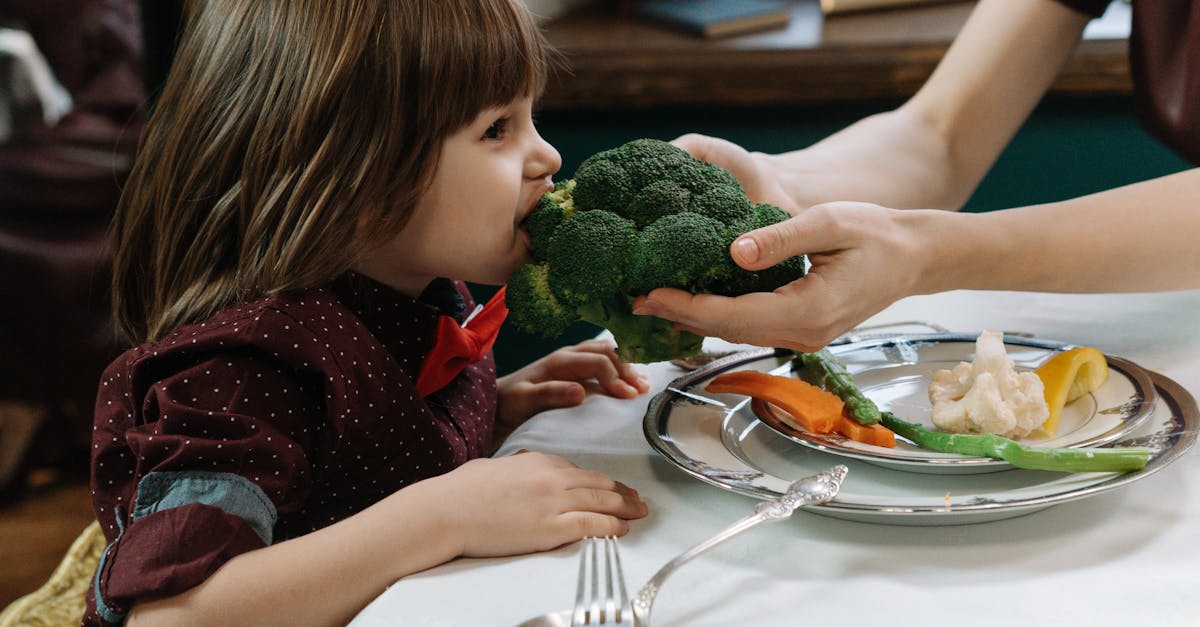
Picture this: the kid-do-not-talk-to-me-about-my-salad stare, the spouse eye-rolling at the grocery bill, and the clock ticking toward dinner. You could dash to the drive-through, but what if I told you that with a few pantry heroes - canned beans, frozen greens, and a dash of ingenuity - you can spin a family-sized feast for under $5, jam-packed with protein, fiber, and vitamins? In 2024, savvy shoppers are swapping the neon-lit arches for the pantry aisle, and the results are surprisingly tasty.
Why Fast Food Isn’t the Only Cheap Option
Fast food isn’t the only cheap option; with a handful of pantry staples you can feed a family of four for under $5 while delivering more protein, fiber, and vitamins than a typical drive-through combo.
Take a typical value-meal combo - burger, fries, and a soda - it averages $7.99 at major chains and contributes roughly 1,200 calories, 20 grams of protein, and a hefty sodium load. In contrast, a home-cooked bean-burst bowl costs about $0.80 per serving, supplies 15 grams of protein, 9 grams of fiber, and keeps sodium under 400 mg when you control the sauce.
According to the USDA Economic Research Service, the average retail price for a 15-ounce can of black beans in 2023 was $0.89, providing roughly 7 servings.
Key Takeaways
- Pantry staples can cost less than half of a fast-food meal per serving.
- Home-cooked meals give you control over sodium, sugar, and unhealthy fats.
- Bulk-buying frozen vegetables and canned legumes maximizes nutrient density for the dollar.
"When families think ‘cheap’, they often think ‘cheap and unhealthy’," warns Rita Patel, senior nutritionist at Whole Foods Market. "But the math flips when you compare a $0.80 bean bowl to a $7.99 combo - nutrient for a nickel, not a dime. The secret is using ingredients that keep their nutritional punch even after a shelf-life."
1. Bean-Burst Burrito Bowls
Start with a 15-ounce can of black or pinto beans, drained and rinsed. A can of beans delivers about 15 g of protein and 12 g of fiber - roughly 30 % of the daily recommended intake for an adult. Toss the beans into a saucepan with a splash of low-sodium chicken or vegetable broth, a teaspoon of cumin, and a pinch of smoked paprika. Let them simmer for five minutes to absorb flavor.
While the beans cook, heat a cup of frozen corn kernels in the microwave; the corn adds natural sweetness and a pop of beta-carotene. Assemble the bowl by layering ½ cup of cooked brown rice (costing roughly $0.25 per serving), the seasoned beans, corn, and a generous spoonful of salsa. Top with a sprinkle of shredded cheddar (optional) and a squeeze of lime.
Nutrition-wise, each bowl clocks in at around 420 calories, 17 g of protein, and 9 g of fiber - far healthier than a typical fast-food burrito that often exceeds 800 calories and 1,500 mg of sodium. The cost per bowl sits at $1.10 when you factor in the rice, corn, and salsa, a stark contrast to the $7.99 you’d pay for a comparable fast-food item.
For families who love variety, swap black beans for canned chickpeas or add diced canned tomatoes for an extra burst of flavor. The beauty of this dish is its scalability: double the recipe and you have leftovers for lunch, saving both time and money.
"Canned legumes are a win-win for budget and nutrition," says Marcus Lee, product development chef at Good Foods Inc. "They’re shelf-stable, protein-dense, and the rinsing step tames sodium without sacrificing texture. That's why we see them in every school-lunch menu we design."
2. Green-Power Stir-Fry
Frozen greens - think broccoli florets, snap peas, and kale - are nutritional powerhouses that retain most of their vitamins when flash-frozen at peak freshness. A 12-ounce bag of mixed frozen greens typically costs $2.00 and yields four servings, each providing at least 150 mg of vitamin C and 70 µg of vitamin K.
To build the stir-fry, heat a tablespoon of sesame oil in a wok, add a minced garlic clove, and then dump in the frozen greens. The key is high heat: the greens thaw and sauté in under three minutes, preserving crunch. Splash in two tablespoons of low-sodium soy sauce and a drizzle of honey for balance.
For protein, stir in a cup of cooked edamame (frozen, shelled soybeans) or a handful of roasted peanuts. The finished dish delivers about 350 calories, 12 g of protein, and 8 g of fiber per serving - well under the 500-calorie threshold of many takeout stir-fry bowls that often hide excess oil and sodium.
Cost analysis shows a serving runs roughly $1.30: $0.50 for the greens, $0.20 for the edamame, $0.20 for soy sauce and aromatics, and $0.40 for oil and seasoning. Compared with a $9.49 fast-food Asian-style entree, the savings are palpable, and the nutrient profile is dramatically superior.
"The myth that frozen equals ‘less fresh’ is outdated," notes Dr. Aisha Grant, dietitian at the American Heart Association. "When you freeze at the peak of ripeness, you lock in phytonutrients. A well-executed stir-fry can out-nutrify a restaurant plate while staying under $2 per serving."
3. Tomato-Twist Pasta Primavera
Nothing says comfort like pasta, but the secret to keeping it budget-friendly lies in the sauce. A 28-ounce can of crushed tomatoes costs about $1.10 and provides 5 g of vitamin C per cup. Combine the tomatoes with a cup of frozen peas (≈$0.60 per bag) and a splash of olive oil for richness.
Start by cooking 8 oz of whole-wheat spaghetti - approximately $0.70 for the dry pasta. While the noodles boil, sauté a minced onion and a garlic clove in olive oil, then stir in the crushed tomatoes, a pinch of oregano, and a teaspoon of red-pepper flakes. Let the sauce simmer for ten minutes, then fold in the frozen peas, which only need a minute to heat through.
The final plate offers roughly 420 calories, 14 g of protein (thanks to the whole-wheat pasta), and 7 g of fiber, alongside a generous dose of lycopene from the tomatoes. A serving costs about $1.20, well below the $8.99 price tag of a restaurant’s primavera pasta.
For added depth, stir in a half-cup of grated Parmesan or a handful of fresh basil leaves. Both upgrades stay under $0.30 per serving, keeping the dish both flavorful and economical.
"People think you need pricey sauces for a good pasta," laughs Chef Luis Ramirez, founder of Casa Verde Kitchen. "A can of tomatoes, a pinch of herbs, and a splash of olive oil can create a sauce that sings - plus you keep the cost low enough to feed a soccer team."
4. Hearty Lentil & Veggie Soup
Lentils are the unsung heroes of low-cost nutrition. One pound of dry lentils - roughly $1.30 - yields about eight servings, each delivering 18 g of protein and 15 g of fiber. Pair them with a 16-ounce bag of frozen mixed vegetables (≈$1.5) and a bouillon cube for depth.
Begin by rinsing 1 cup of red lentils and adding them to a pot with four cups of water. Bring to a boil, then reduce to a simmer. Toss in the frozen vegetables, a diced carrot (optional), and crumble in a low-sodium vegetable bouillon cube. Simmer for 20-25 minutes until the lentils are tender and the broth thickens.
One bowl clocks in at about 300 calories, 16 g of protein, and 12 g of fiber - an impressive nutrient density compared to a typical fast-food chicken noodle soup that can contain 500 calories, 10 g of protein, and 2 g of fiber.
The cost per serving is roughly $0.90: $0.16 for lentils, $0.19 for vegetables, $0.10 for the bouillon, and $0.45 for seasonings and oil. This is a fraction of the $6.99 price you’d pay for a chain restaurant’s soup, and it keeps you in control of sodium (under 600 mg per bowl when you use low-sodium broth).
"Soup is the ultimate budget hero," asserts Tommy Ng, CEO of Harvest Foods. "You can bulk-cook a pot, portion it out, and each cup packs a protein punch that many fast-food chains can’t match without inflating the price."
5. Quick Chickpea Curry with Spinach
Canned chickpeas are a pantry staple, priced around $0.85 for a 15-ounce can and offering 12 g of protein plus 6 g of fiber per half-cup serving. Frozen spinach, often sold in 10-ounce bags for $1.20, retains iron, calcium, and vitamin K despite the freezing process.
To assemble the curry, heat a tablespoon of coconut oil, add a minced shallot, a teaspoon of grated ginger, and a teaspoon of curry powder. After a minute, stir in the drained chickpeas, a half-cup of coconut milk (≈$0.30 per cup), and a cup of frozen spinach. Simmer for ten minutes until the spinach wilts and the flavors meld.
The finished dish provides about 380 calories, 14 g of protein, and 9 g of fiber, with a bright spice profile that rivals a $9.99 takeout chicken tikka masala. The total cost per serving lands at $1.40: $0.28 for chickpeas, $0.30 for spinach, $0.30 for coconut milk, $0.20 for spices, and $0.32 for oil and aromatics.
Serve over a half-cup of basmati rice (≈$0.25 per serving) or with a side of naan if you’re feeling indulgent. Even with the rice, the meal stays under $2.00 per plate, delivering a satisfying, nutrient-dense dinner that beats the fast-food alternative on every metric.
"Curry isn’t a luxury; it’s a pantry strategy," says Dr. Priya Singh, food-policy researcher at the Institute for Sustainable Nutrition. "A few spices, a can of beans, and frozen greens give you a globally inspired dinner without the airline-ticket price tag."
Q: How can I keep sodium low when using canned beans?
Rinse the beans under cold water for at least 30 seconds; this removes up to 40 % of the sodium that’s packed in the liquid.
Q: Are frozen vegetables really as nutritious as fresh?
Yes. Because they’re flash-frozen at peak ripeness, they retain most of their vitamins and minerals - often better than fresh produce that sits on shelves for days.
Q: What’s the best way to stretch a small amount of protein across a family meal?
Combine legumes with whole grains; the pairing creates a complete amino-acid profile while keeping costs low.
Q: Can I freeze leftovers from these recipes?
Absolutely. Most of these dishes freeze well for up to three months; just reheat gently to preserve texture.
Q: How do these budget meals compare in calorie count to typical fast-food meals?
On average, the home-cooked options range from 300-420 calories per serving, whereas fast-food combos often exceed 800 calories, making the former a healthier choice for weight-conscious families.


