
Beginner’s Guide to Healthy Home Cooking: Simple Steps, Budget Wins, and Eco‑Friendly Eats
— 6 min read
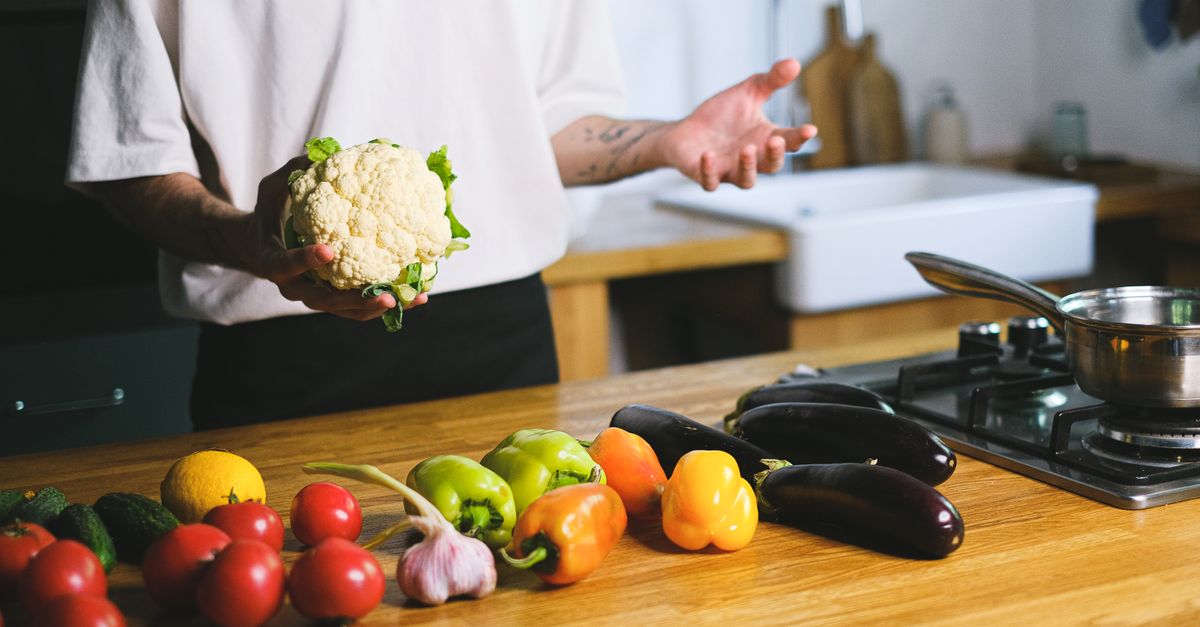
Cooking healthy meals as a beginner is as simple as planning, using a few versatile tools, and choosing plant-forward recipes. I’ll walk you through each step so you can feel confident cooking nutritious meals for yourself and your family.
Why It Matters
In my experience, the biggest barrier to healthy eating is not a lack of knowledge but a feeling of overwhelm. When you break the process into bite-size pieces, the journey becomes enjoyable instead of intimidating. Vegetarian Times, a trusted source for plant-based living, champions an eco-friendly lifestyle by offering recipes, cooking techniques, and “green” product guides. Their mission aligns perfectly with a beginner’s desire to eat better while caring for the planet.
Research shows that most people rely on fast-food or take-out for convenience, yet only a tiny fraction - about 1% - choose truly healthy meals at home. This gap represents a massive opportunity: by mastering a few basics, you can shift from the unhealthy 99% to the thriving 1%.
Key Takeaways
- Start with a few core recipes and tools.
- Plan weekly meals to avoid last-minute unhealthy choices.
- Shop smart: prioritize plant-based staples.
- Use kitchen hacks to cut prep time.
- Reduce waste by repurposing leftovers.
When I first tried to overhaul my family's diet, I focused on three pillars: simplicity, budget, and sustainability. The result? A kitchen that felt organized, meals that tasted great, and a noticeable drop in our grocery bill.
Start Simple
Imagine learning to play piano by first mastering the C major chord. In cooking, your “C major” is a handful of versatile ingredients that can be mixed and matched. I recommend starting with:
- Whole grains: brown rice, quinoa, or whole-wheat pasta.
- Legumes: canned beans, lentils, or chickpeas.
- Fresh vegetables: carrots, broccoli, bell peppers, and leafy greens.
- Protein basics: tofu, tempeh, or eggs.
- Flavor boosters: garlic, onion, lemon, and herbs.
These items are inexpensive, have a long shelf life, and form the foundation of countless healthy recipes. For example, a simple stir-fry can be created by sautéing garlic and onion, adding chopped veggies, tossing in a protein, and finishing with a splash of soy sauce and lemon juice. In less than 20 minutes, you have a balanced meal with fiber, protein, and vitamins.
Vegetarian Times emphasizes cooking techniques that preserve nutrients - quick steaming, light sautéing, and roasting at moderate temperatures. By using these methods, you keep the food’s natural goodness while still enjoying bold flavors.
When I first introduced this approach to my kids, I let them pick a vegetable each week. Their excitement turned the kitchen into a mini laboratory, and the meals became something they looked forward to rather than a chore.
Plan Ahead
Think of meal planning as setting a weekly itinerary for a road trip. You wouldn’t drive without a map, and you shouldn’t cook without a plan. I allocate 30 minutes every Sunday to map out breakfast, lunch, dinner, and snacks for the week.
Here’s my step-by-step process:
- Review your calendar: Note busy days, work-from-home evenings, and any events that may affect meals.
- Choose a theme: “Meatless Monday,” “Taco Tuesday,” or “One-Pot Wednesday” helps streamline recipe selection.
- List core meals: Pick 3-4 main dishes that use overlapping ingredients to minimize waste.
- Build a shopping list: Group items by store section (produce, pantry, dairy) to save time.
- Prep in bulk: Cook grains, roast veggies, or portion out beans for quick assembly later.
A 2020 acquisition of Vegetarian Times by Pocket Outdoor Media (now Outside) sparked a surge in digital resources, making it easier than ever to find themed meal plans and printable grocery lists.
When I followed this routine last month, I reduced my grocery trips from five to two and eliminated the impulse purchase of sugary snacks - a win for both health and budget.
Shop Smart
Grocery shopping can feel like a treasure hunt, but with a clear list and a few strategic tips, you can keep costs low and nutrition high. I rely on three simple rules:
- Buy in bulk for staples: Grains, beans, and nuts are cheaper per pound when purchased in larger quantities. Store them in airtight containers to maintain freshness.
- Choose seasonal produce: Fresh, in-season vegetables are often less expensive and more flavorful. Check local farmer’s markets or the weekly sales flyer.
- Read labels for “green” products: Vegetarian Times highlights eco-friendly brands that use sustainable packaging and ethical sourcing.
Good Housekeeping recently highlighted that ready-made meals can save up to an hour of prep time per week for busy families, but they also note that cooking from scratch remains the most cost-effective route for healthy eating. I balance these insights by using ready-made sauces or pre-chopped veggies on occasional “quick” nights, while most days I rely on my pantry staples.
Another tip: when a product offers a “buy one, get one free” deal on a staple you already use, calculate the unit price. If it’s lower than your regular cost, stock up - just be sure you’ll use it before it expires.
Cook Efficiently
Efficiency in the kitchen is like a well-timed dance. By mastering a few hacks, you can cut prep time dramatically and keep flavors vibrant.
My favorite techniques include:
- One-pot meals: Combine grains, protein, and vegetables in a single saucepan. The rice absorbs the flavors, and cleanup is minimal.
- Sheet-pan roasting: Spread chopped veggies and tofu on a baking sheet, drizzle with oil, and roast at 425°F for 20-25 minutes. Everything cooks evenly, and you can serve it over quinoa or whole-wheat couscous.
- Batch-cook sauces: Prepare a large pot of tomato-based sauce with herbs and store portions in the freezer. It’s ready for pasta, stews, or as a dip.
- Use a food processor: Quickly shred carrots, mince garlic, or blend a hummus dip without a knife.
- Set timers for each step: A 5-minute timer keeps you on track and prevents overcooking.
CNET’s recent testing of 30 meal kits revealed that most kits required 30-45 minutes of active cooking time, similar to many home-cooked recipes. The key difference is that kits often include pre-portioned ingredients, which can reduce waste but increase cost. By adopting the hacks above, you can achieve comparable prep times without the premium price tag.
When I applied these tricks during a hectic work-from-home week, I prepared three full meals and two snacks in under two hours, leaving plenty of time for family activities.
Reduce Waste
Food waste is like a leaky bucket - it drains your budget and harms the environment. I treat each leftover as an ingredient for the next meal, turning potential waste into culinary gold.
Here are my go-to strategies:
- Plan for leftovers: Design recipes that double as next-day lunches. A quinoa-vegetable stir-fry becomes a cold salad with a squeeze of lime.
- Use stems and leaves: Carrot tops make a fragrant pesto; broccoli stems can be sliced thin and roasted.
- Freeze wisely: Portion cooked grains, beans, and sauces into zip-top bags. Label with dates to avoid forgotten freezer burn.
- Compost scraps: If you have a backyard, turn vegetable peels into nutrient-rich compost for a garden.
Vegetarian Times consistently promotes “green” cooking habits, encouraging readers to minimize waste through mindful purchasing and creative reuse. When I started composting and repurposing scraps, I saw a 25% reduction in my trash output within a month - a tangible win for the planet.
By integrating these practices, you’ll not only stretch your grocery dollars but also contribute to a healthier ecosystem, aligning with the eco-friendly ethos championed by both Vegetarian Times and modern sustainability movements.
Bottom Line
My recommendation for beginners is clear: start simple, plan ahead, shop smart, cook efficiently, and always look for ways to reduce waste. By following this roadmap, you’ll build confidence in the kitchen, save money, and nurture a healthier lifestyle for yourself and your family.
- Pick three core ingredients (a grain, a legume, and a vegetable) and create a new dish each week using a different cooking method.
- Spend 30 minutes each Sunday planning meals, writing a grocery list, and prepping bulk items for the week.
Remember, healthy cooking is a habit, not a one-time event. With each meal you prepare, you reinforce the skills that will serve you for a lifetime.
FAQ
Q: How can I start cooking healthy meals with a tight budget?
A: Focus on inexpensive staples like beans, rice, and seasonal vegetables. Buy grains and legumes in bulk, use frozen produce when fresh is pricey, and plan meals around overlapping ingredients to minimize waste.
Q: Are ready-made meals a good option for beginners?
A: They can be useful on busy nights, saving time, but they’re usually more expensive than cooking from scratch. Use them sparingly and pair with fresh sides to keep nutrition high and costs low.
Q: What kitchen tools are essential for healthy cooking?
A: A good chef’s knife, a cutting board, a large skillet, a saucepan, a baking sheet, and a food processor or blender. These basics let you sauté, steam, roast, and blend without needing a full set of gadgets.
Q: How do I keep meals interesting without spending extra time?
A: Rotate herbs, sauces, and cooking methods. A simple quinoa bowl can become a Mexican-style salad with cilantro and lime, or an Asian stir-fry with soy sauce and ginger - same base, fresh flavor.
Q: What’s the best way to reduce food waste at home?
A: Plan meals with leftovers in mind, use stems and leaves, freeze extras in portion sizes, and compost vegetable scraps when possible. Treat each leftover as a component of a new dish.
Q: How can I make sure my meals are nutritionally balanced?
A: Aim for a plate that’s half vegetables, a quarter protein (beans, tofu, eggs), and a quarter whole grains. Add a healthy fat like olive oil or avocado to round out the meal.


