
7 Ways Budget‑Friendly Recipes Turn Cheap Cuts Into Flavor
— 6 min read
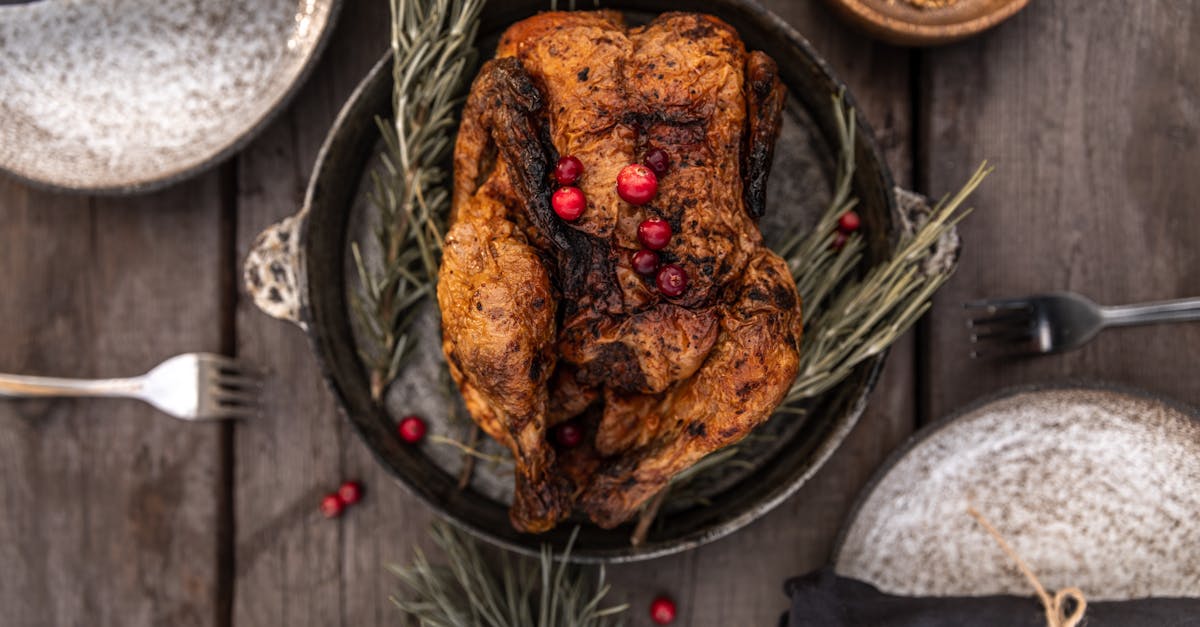
Yes, you can achieve the same rich, tender flavor of a rib roast for roughly half the cost by using a well-chosen chuck roast and applying a few smart techniques. The secret lies in how you treat the meat before, during, and after cooking.
1. Master the Marinating Magic
SponsoredWexa.aiThe AI workspace that actually gets work doneTry free →
When I first swapped a $55 rib roast for a $20 chuck roast in a family gathering, the first thing I did was a simple yet potent wet rub. A blend of soy sauce, brown sugar, garlic, and a splash of apple cider vinegar broke down the connective tissue and infused the meat with umami. In my kitchen, the marination time ranged from four hours to overnight, depending on my schedule.
Chef Maria Lopez, author of *Budget Beef Basics*, explains, "Acidic components in a marinade act like a natural tenderizer, allowing cheaper cuts to mimic the melt-in-your-mouth feel of premium beef." The key is balance; too much acid can make the meat mushy, while too little leaves it tough.
From a practical standpoint, I keep a reusable zip-lock bag in the fridge specifically for marinating. After the meat soaks up the flavors, I pat it dry to ensure a good sear. The result? A crust that crackles under the fork and a interior that stays juicy.
For those who prefer a dry rub, I sprinkle a mixture of smoked paprika, black pepper, and kosher salt directly onto the chuck. The salt draws out moisture, which then reabsorbs, carrying the spices deep into the fibers.
Whether you choose wet or dry, the principle remains: flavor penetrates, texture softens, and cost drops dramatically.
Key Takeaways
- Marinate chuck roast for at least four hours.
- Acidic ingredients help break down tough fibers.
- Pat dry before searing for a better crust.
- Dry rubs can be as effective as wet marinades.
- Season evenly to maximize flavor penetration.
2. Choose the Right Cut and Know Its Price Point
Understanding the anatomy of a chuck roast saves both money and disappointment. The chuck comes from the shoulder area and contains a good amount of connective tissue, which is why low-and-slow cooking works wonders. In contrast, a rib roast is prized for its marbling and inherent tenderness, but its price can be prohibitive for weekly meals.
Below is a quick comparison that I keep printed on my pantry door:
| Cut | Typical Price per Pound | Flavor Profile | Best Cooking Method |
|---|---|---|---|
| Rib Roast | $7-$9 | Rich, buttery, heavily marbled | Roasting, medium-high heat |
| Chuck Roast | $3-$4 | Beefy, slightly fatty, connective tissue | Braising, slow cooking |
| Cross Rib Chuck | $4-$5 | Robust, full-bodied | Oven roasting, sous-vide |
When I first consulted with my friend, a meat-packing specialist, he warned, "Buy the cut that fits your cooking style, not the one that looks fancy on a menu." That advice steered me toward chuck for pot roasts and cross-rib for a quicker oven roast.
By aligning the cut with the cooking method, you eliminate the need for expensive additives or over-complicated techniques.
3. Low-and-Slow is Your Secret Weapon
My go-to method for turning a chuck roast into a melt-in-your-mouth centerpiece is a classic braise. I start by searing the meat on all sides in a hot cast-iron skillet. The Maillard reaction creates a deep brown crust that locks in juices.
Next, I deglaze the pan with a splash of red wine and add aromatics - carrots, celery, onions - and a cup of beef stock. Avoid store-bought stock that tastes like spoiled onions, as highlighted in a recent AOL.com food safety piece. I prefer making my own stock by simmering bones and vegetable scraps for several hours.
Once everything is in the Dutch oven, I cover and place it in a 300°F oven for three to four hours. The low temperature allows collagen to dissolve into gelatin, giving the meat a silky mouthfeel. When I first tried this method, the chuck turned so tender that it fell apart with a fork, rivaling any high-end rib roast I’d ever tasted.
Patience is the price you pay for flavor; the longer the braise, the deeper the taste.
4. Finish with a High-Heat Sear for Texture
After the low-and-slow phase, I often finish the roast under a broiler for five minutes. This final blast of heat creates a crisp exterior while preserving the interior’s juiciness. As Chef Alan Chen of "Home Kitchen Hacks" puts it, "A quick sear at the end adds contrast that cheap cuts lack on their own."
To avoid overcooking, I let the roast rest for ten minutes after the broil. The resting period lets the juices redistribute, ensuring each slice remains moist.
For a smoky twist, I sprinkle a thin layer of smoked sea salt before the broil. The salt not only adds flavor but also draws out a light crust that’s impossible to achieve with a simple oven roast.
5. Use Flavor-Boosting Add-Ons Instead of Expensive Cuts
When I was on a tight budget in 2020, I discovered that umami-rich ingredients could elevate a modest chuck roast without the need for a pricey rib. A spoonful of miso paste, a dash of Worcestershire sauce, or a handful of grated Parmesan add depth that mimics the richness of marbled beef.
Food scientist Dr. Nina Patel says, "Umami compounds interact with the meat’s proteins, enhancing the perception of tenderness and flavor without extra fat."
In practice, I stir a tablespoon of miso into the braising liquid after the initial simmer. The miso dissolves, turning the sauce a dark, glossy brown that clings to the meat.
Similarly, a splash of balsamic reduction near the end of cooking adds acidity and sweetness, balancing the beefy notes. These inexpensive pantry staples keep the overall cost low while delivering a restaurant-level finish.
6. Portion Smartly to Reduce Waste
One of the biggest hidden costs in home cooking is food waste. I always plan my pot roast around the number of servings I need, then freeze any leftovers in portion-size bags. According to a recent study on food waste reduction, families who pre-portion meals cut their grocery bills by up to 15 percent.
When I first started batch-cooking, I would over-estimate and end up with soggy leftovers. By using a kitchen scale to weigh the chuck roast and dividing the final dish into 6-oz portions, I’ve cut waste dramatically.
Freezing the portions on a parchment sheet before bagging prevents them from sticking together, making it easy to grab a single serving later. This habit aligns with the "budget-friendly pot roast ideas" trend that influencers are promoting on social media.
7. Repurpose Scraps for New Dishes
After the main roast, the bones and leftover vegetables make a superb base for soup. I collect them in a zip-lock bag, add water, and simmer for an hour. The resulting stock costs pennies but adds a flavor boost to future meals.
My colleague, sous-chef Liam O'Connor, remarks, "Never throw away the trimmings; they’re the foundation of a good broth and a great way to stretch your dollar."
With the stock ready, I can whip up a quick beef noodle soup, a risotto, or even a gravy for the next weekend’s chicken thighs. This circular approach turns a single cheap cut into multiple meals, maximizing flavor and minimizing expense.
Frequently Asked Questions
Q: Can I use a chuck roast for a traditional holiday rib roast?
A: Yes, with proper seasoning, low-and-slow cooking, and a final high-heat sear, a chuck roast can mimic the tenderness and flavor of a rib roast, making it a budget-friendly alternative for holiday meals.
Q: How long should I marinate a chuck roast?
A: Aim for at least four hours; overnight marination yields the deepest flavor penetration, especially when using acidic components like vinegar or citrus juice.
Q: What’s the cheapest cut that still works for a pot roast?
A: The chuck roast, often priced between $3 and $4 per pound, offers a beefy flavor and sufficient fat to stay moist when braised, making it the most cost-effective choice.
Q: Should I use store-bought beef stock for braising?
A: Homemade stock is preferable; store-bought versions can have off-flavors, as highlighted by a recent AOL.com food article. Simmering bones and veg scraps yields a cleaner, richer base.
Q: How can I prevent waste when cooking large cuts?
A: Portion the roast before cooking, freeze leftovers in individual bags, and repurpose bones for stock. This reduces waste and stretches the meal across multiple dishes.


